
Journalist: Lina Quinones (TCC)
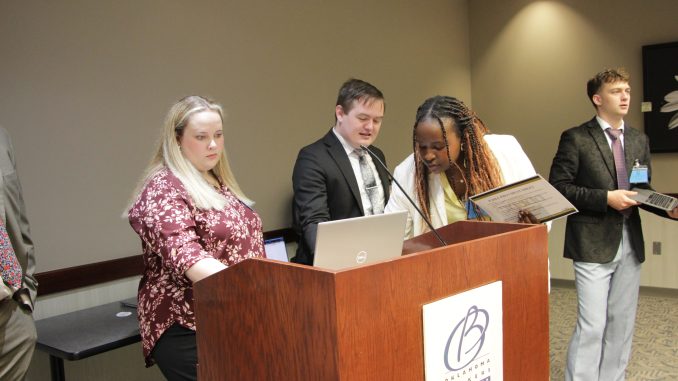
As OIL enters its first full length day of session, the house has already become divided right at the start. In enters house bill TU-507, otherwise known as the “Animal Cruelty Offenders Registry” Act of 2026
This bill will create a registry, much like the sex offenders registry as of current, but with those charged in animal cruelty. This will be specifically those charged with a felony.
Now this does not stop those on the registry from buying or adopting other animals. It does warn the businesses of the risk they will take in giving these animals to those on the registry.
During this time within the house, it became very divisive in the debate.
For the opponency, there were a couple of major points that concern.
One of the first concerns, there was no specific wording on whether or not public information on minors would be added, as it is a public registry.
The next point was this would add more work for the Correctional facilities. Then the issues between tribal courts. Since the passing of McGirt, tribal courts are much different, and separate. The question was asked: how will tribal courts respond to this registry?
The third point overall this bill does not hold the businesses accountable for selling or letting them get adopted. These people on the list were put there for a reason. So why should the businesses not also be held accountable for putting these animals In harm’s way?
Then for the proponency side, they tried to defend themselves from these points that were made.
First the minors’ information will only be there if they are charged with a felony. This happens with other registries, such as the sex offender registry.
Second with tribal courts. The tribal courts have no jurisdiction such as Oklahoma has no jurisdiction in their courts, so nothing will happen essentially it is up to them. Then for the workload, it was just stated that it will just be lessened.
The third point was how this was the right step forward as one of the legislators mentioned. This will help children from seeing less violence in their early childhood. Which would then lessen the likelihood of more violence in the rest of their life.
With the debating over, enter the next stage… voting. This is where the division came most apparent with the voting ending up in a tie.
This leads to the speaker of the house to decide if this bill passes or not.
We will now see this bill entering next and two the Senate chambers.