
Journalist: Prajita (Luna) Ghimire (ECU)
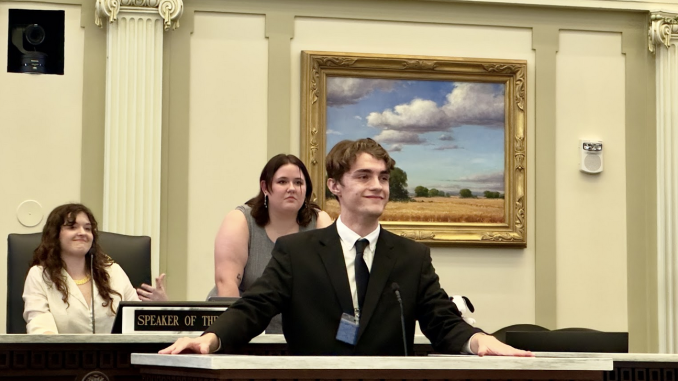
A close vote in the Oklahoma House on Friday highlighted ongoing discussion about economic fairness after OU-503; a bill that would allow local governments to raise minimum wage standards, failed 25-30 at the State Capitol. The bill, authored by Duncan from the University of Oklahoma, sought to give cities the authority to set their own minimum wage according to cost-of-living differences.
Duncan began debate with humor that captured the chamber’s attention. “I want to bore you real quick with a history lesson,” he said before explaining the federal baseline wage system and how it limits local flexibility. He argued that cities with higher living expenses could better support workers with a local increase.
Supporters noted that young workers and families in larger communities often face higher costs for essentials like groceries, rent, and transportation. They said local adjustments could help residents keep up with economic pressures.
Opponents questioned how the bill would affect small businesses and employers operating across multiple cities. Duncan then expressed concern about sustainability, saying, “If I have five workers and suddenly have to pay them $15 an hour, I may have to start letting some of them go. Unemployment could rise, and the cost of living will keep going up. It’s not sustainable.”
Throughout questioning, Duncan remained composed and confident. He used clear responses to explain that his bill would not remove federal protections, but rather offer an option for cities to better support local economies.
While OU-503 did not advance, Duncan remained active in discussions and collaborative throughout the session. His participation demonstrated an important OIL lesson, learning to adapt after a setback and continuing to advocate for change.
The debate brought attention to how wage policies can impact people differently depending on where they live. Duncan’s proposal sparked valuable conversation about economic challenges facing Oklahoma communities, showing how student lawmakers are beginning to engage with complex, real-world issues.