
Journalist: Luna Ghimire (ECU)
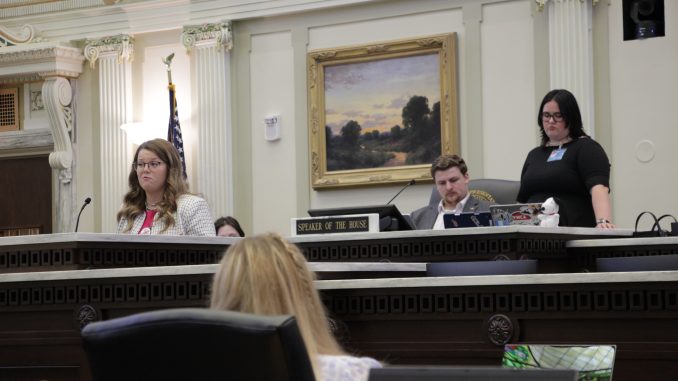
A bill aimed at increasing funding for public defenders passed during the Oklahoma Intercollegiate Legislature session, highlighting ongoing concerns about access to legal representation for low-income individuals across the state. House Bill OU-502 proposes allocating additional funds to the Oklahoma Indigent Defense System to support public defenders and improve compensation. The bill includes $28 million from the state’s General Revenue Fund and an additional $10 million from unspent funds from the previous fiscal year. Supporters say the funding increase is necessary to address growing caseloads and staffing shortages within the system. During debate, the bill’s author emphasized the importance of public defenders, noting that they represent a significant portion of the population who cannot afford private legal services. “Funding for public defenders is extremely important,” the author said. “They represent indigent people who are a large portion of our community.” The author also raised concerns about how indigency is determined, explaining that individuals may qualify based on their inability to pay bail or through a relatively small application fee. This process, they argued, reveals gaps in the system and raises questions about fairness and accessibility for those seeking legal assistance. Supporters of the bill argued that without sufficient funding, public defenders are often overwhelmed with cases, which can lead to delays in court proceedings and limit the amount of time attorneys can dedicate to each client. They stressed that improving funding would not only benefit defendants but also strengthen the overall efficiency and fairness of the justice system. Some also noted that better compensation could help retain qualified attorneys within the public defense system, reducing turnover and ensuring more consistent representation for clients. By investing in public defenders, supporters believe the state can improve outcomes for individuals who rely on these services. The bill also includes amendments correcting financial figures and establishing that the act will take effect 90 days after passage and approval. These changes aim to ensure clarity and proper implementation once the bill becomes law. The bill ultimately passed in the chamber, reflecting strong support for increased investment in public defense and a broader commitment to ensuring access to legal representation for all individuals, regardless of financial status.