
Journalist: Prajita (Luna) Ghimire (ECU)
Lawmakers voted 33–21 Saturday to advance a new plan to expand drug and alcohol prevention education in Oklahoma public schools. House Bill OU-507, authored by Lokey (OU), would require school districts to deliver mandatory, in-person lessons aimed at reducing addiction among young Oklahomans.
The measure creates a Drug and Alcohol Education Trust Fund, initially seeded with $5 million, to pay for training, curriculum development and designated “Classroom Leaders” certified in substance abuse education. The curriculum would begin as early as elementary school and continue through high school, featuring statistics, real-world harm reduction strategies and activity-based learning.
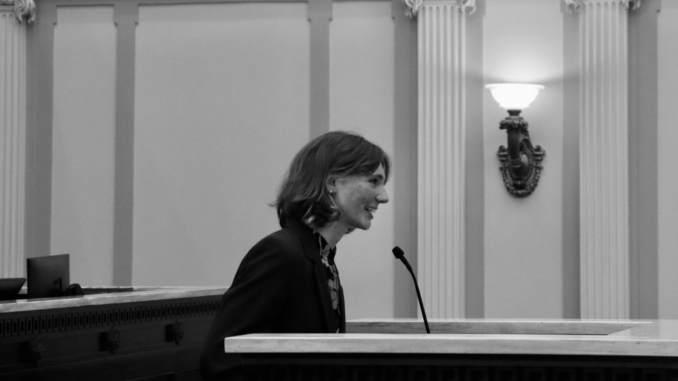
Lokey said the structured, face-to-face format is critical to supporting at-risk students.
“If a student is struggling already, they need someone physically there who can help them,” she told the chamber.
Debate centered on accountability. The bill includes no fines; instead, districts that fail to implement the program must return their allocated funds. When pressed whether schools could simply ignore requirements, Lokey acknowledged the risk but emphasized state oversight and the incentive structure:
“It’s better they give the money back than face a punitive penalty that harms students.”
Some representatives expressed concern over staffing and resource limitations, noting ongoing shortages of counselors and specialized educators. Lokey responded that the three-year preparation window and support from the Oklahoma Board of Education will give schools time to establish their programs effectively.
Members also questioned whether sensitive conversations about addiction should begin in elementary school. Supporters argued early education prevents risky behaviors before they begin.
“We can either catch problems early or deal with tragedy later,” one representative said.
Despite concerns, supporters praised the bill as a proactive response to a statewide challenge that impacts health, crime rates and family stability.